Frequently asked questions
-
We provide integrated musculoskeletal healthcare under one roof:
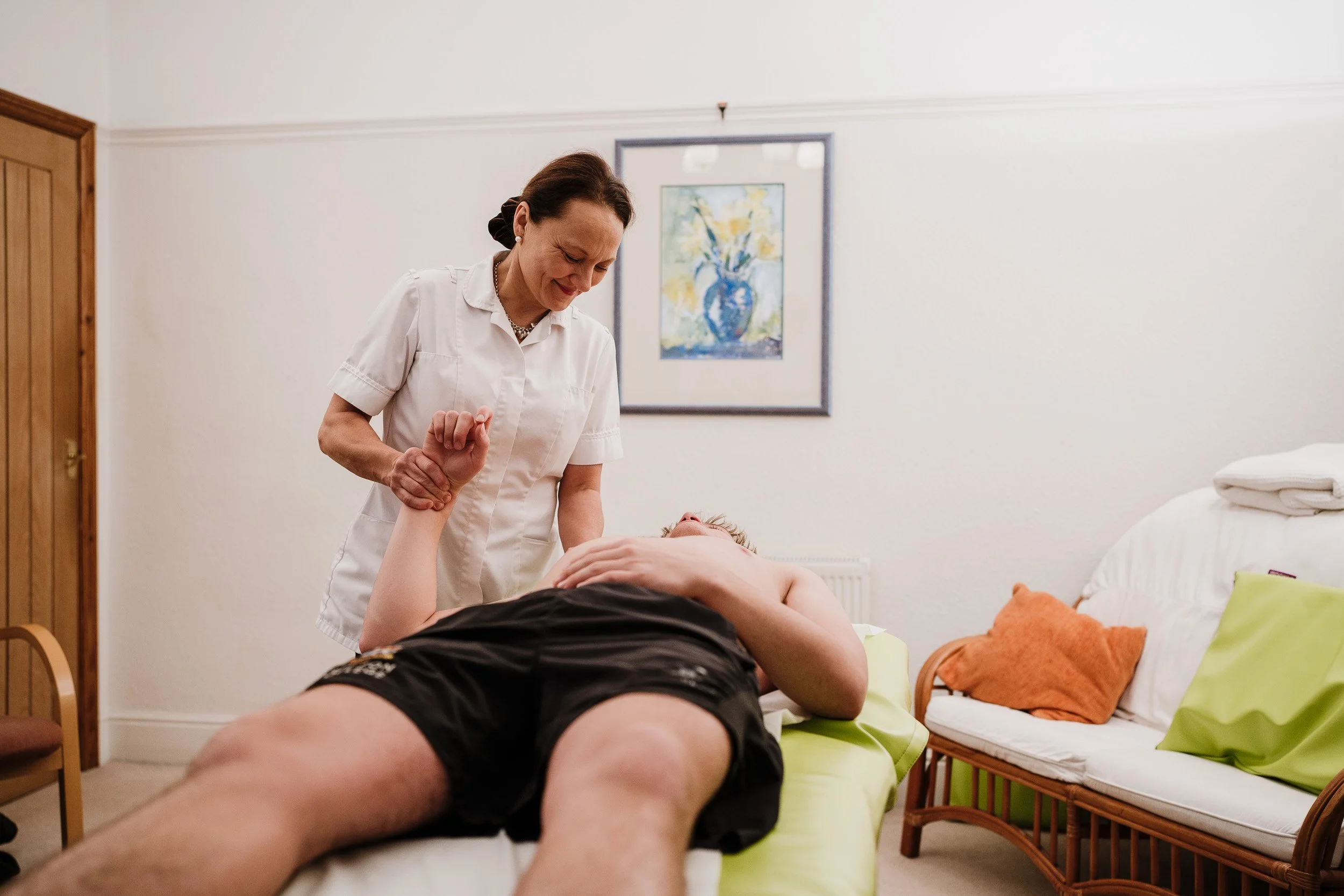
Osteopathy - Whole-body manual therapy for back pain, joint problems, postural issues, and movement restrictions
Chiropractic - Hands-on treatment of the joints, muscles and nerves, particularly of the spine, for back and neck pain, headache arising from the neck, migraine prevention, and sports injuries
Mummy MOTs - a postnatal check for mums at 6-8 weeks
Hypopressives - A breathwork-based approach to pelvic floor health that uses gentle movement and specific postures to support core strength and pelvic stability. Hypopressives is particularly effective for abdominal separation after pregnancy, pelvic organ prolapse, and bladder leakage - offering an alternative for women who haven't found relief through traditional pelvic floor exercises.Podiatry & Chiropody - Specialist foot and lower limb care, from routine foot health to biomechanical assessment and custom orthotics
Holistic Massage – Therapeutic relaxation and wellbeing support through gentle, full-body treatment
Sports Massage – Targeted muscular therapy for injuries, tension, and performance recovery
Whether you have a specific complaint or need ongoing support, our experienced practitioners work together to help you move, feel, and function better.
-
-
The best therapy depends on your primary concern:
Choose Osteopathy if you have:
Back, neck, or joint pain
Postural problems or movement restrictions
Headaches or migraines
Pelvic floor issues
Pregnancy-related discomfort
Issues affecting your whole body alignment
Osteopaths take a whole-body approach, examining how different areas affect each other and using manual techniques to improve function.
Choose Chiropractic if you have:
Back or neck pain
Shoulder or joint complaints
Headache arising from the neck, or migraine
A sports injury
Osteopathy or chiropractic? The two professions overlap considerably, and both are statutorily regulated with degree-level training. In practice the difference tends to lie in the individual practitioner's approach rather than the discipline itself. If you are unsure, call us and we will help you decide, or book with whichever practitioner's background best matches your concern.
Choose Podiatry if you have:
Nail problems, corns, calluses, or verrucas
Diabetes-related foot care needs
Gait or biomechanical issues affecting how you walk
Need for custom orthotics
Podiatrists specialise in diagnosing and treating everything from routine foot care to complex lower limb conditions.
Choose Holistic Massage if you want:
Relaxation and stress relief
Gentle, full-body treatment
Support for overall wellbeing
Non-clinical therapeutic touch
Choose Sports Massage if you have:
Specific muscular tension or injury
Sports-related strain or recovery needs
Need for deeper tissue work
Performance or training goals
Still unsure? Book a consultation and we'll assess which approach best suits your needs. Some conditions benefit from combined treatments.
-
You can book directly with us without a GP referral when paying privately. Some insurance companies require a referral, so check your policy if you're using health insurance. We're always happy to communicate with your GP about your treatment.
-
We absolutely welcome friends, family members, or chaperones to accompany you during both consultation and treatment. Many patients find this reassuring, especially during their first visit. Just let us know when you arrive if you'd like someone to stay with you.
-
As regulated healthcare professions in the UK, all our practitioners meet rigorous professional standards:
Our osteopaths are registered with the General Osteopathic Council (GOsC) – the regulatory body that oversees safe practice and protects patient wellbeing.
Our podiatrists are registered with the Health and Care Professions Council (HCPC) and are members of the British Chiropody and Podiatry Association.
All practitioners hold enhanced DBS checks, carry full professional insurance, and regularly update their skills through continuing professional development. We always discuss whether treatment is the right choice for your condition before proceeding.
Patients can have confidence knowing these regulatory bodies ensure high professional standards throughout your care.
-
For Osteopathy:
Upper body treatment – females can keep their bra on; a vest top or t-shirt is also fine
Lower body treatment – shorts or loose-fitting clothes are suitable
For Podiatry:
Wear something that allows easy access to your feet and lower legs – trousers that roll up easily or shorts work well
You'll be asked to remove shoes and socks for examination and treatment
If you're unsure what to wear for your specific appointment, just ask when you book and we'll advise you.
Your first visit to our Bristol clinic
-
Arrive about 10 minutes early to complete any necessary paperwork. Bring any relevant medical reports, a list of current medications, and your insurance details if applicable. Your first appointment will last about 40-60 minutes.
-
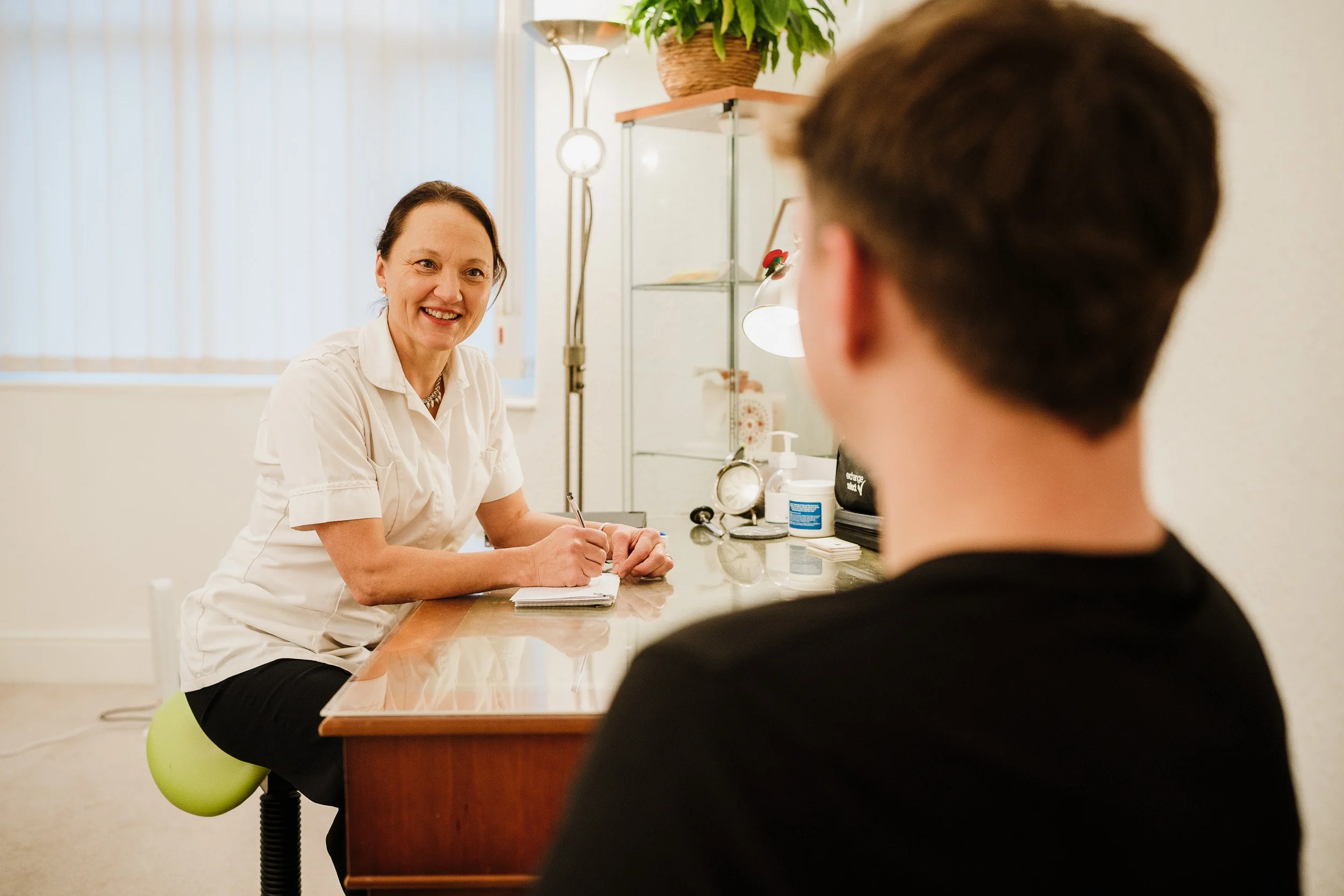
Your visit begins with a friendly discussion about your current symptoms, when they started, and what affects them. We'll talk about your general health, lifestyle, and treatment goals. This helps us understand not just your symptoms, but how they impact your daily life.
The physical examination varies depending on your therapy:
Osteopathy – We observe your posture and movement, then gently assess joint mobility and how different areas of your body are functioning together.
Podiatry – We examine your feet, ankles, and lower limbs, assessing skin and nail health, biomechanics, and gait (how you walk). We may ask you to stand, walk, or perform specific movements.
We explain everything as we go and encourage questions throughout. Most appointments include hands-on treatment, and we'll discuss our findings and recommend next steps before you leave.
The physical examination involves observing your posture and movement, gently assessing joint mobility. We explain everything as we go, encouraging questions throughout. -
We'll begin treatment during your first visit. We'll explain each technique, ensure your comfort, and provide specific exercises and self-help advice. You'll leave with a clear understanding of your condition and a personalised treatment plan.
Conditions our osteopaths can support with
-
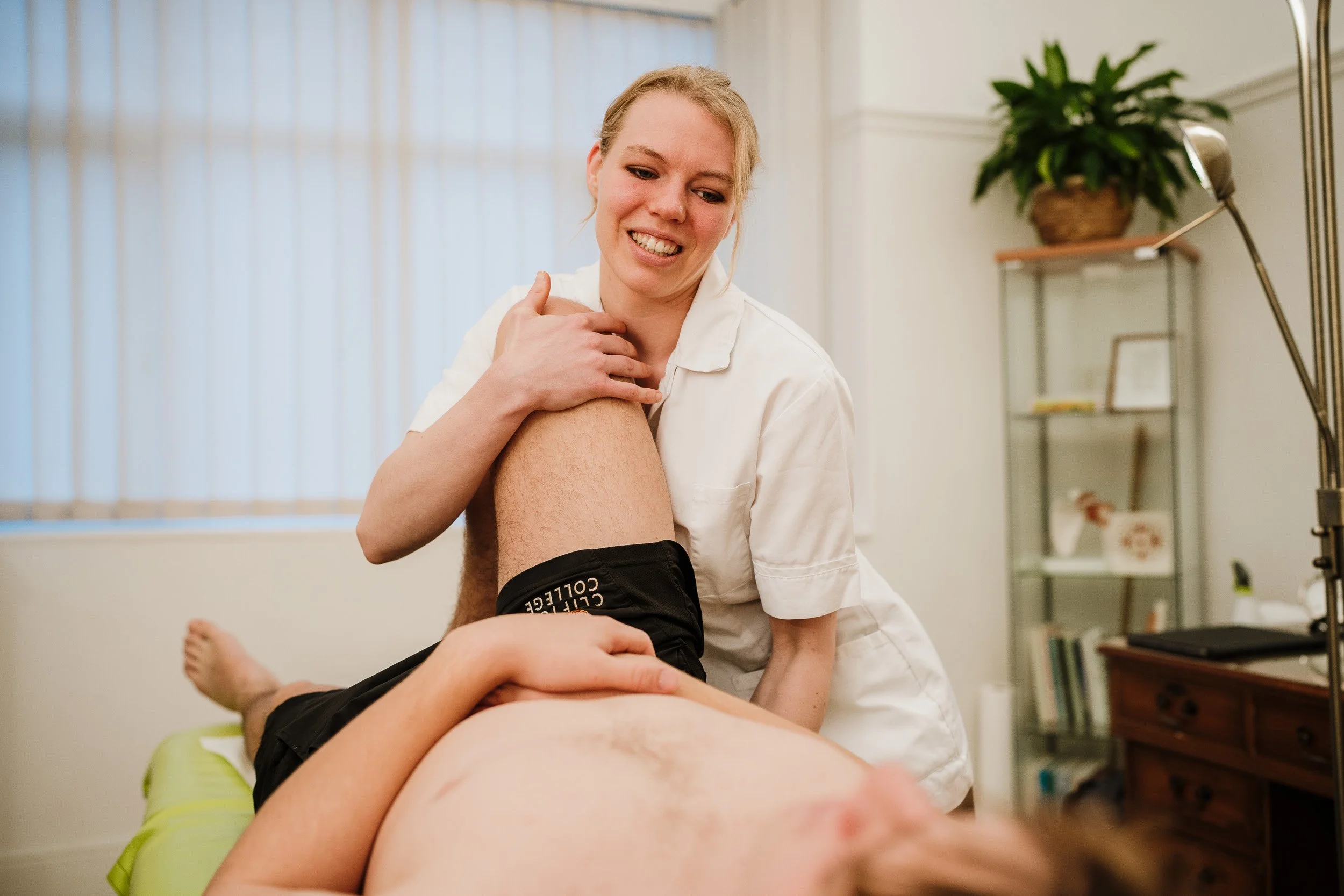
Our expertise covers a wide range of musculoskeletal conditions. We regularly treat back and neck pain, from acute injuries to chronic conditions. This includes sciatica, muscle spasms, and general stiffness. Shoulder problems, including frozen shoulder and rotator cuff issues, can respond well to our treatment approach. We help with elbow conditions, including tennis and golfer's elbow. We provide specialist support for hip knee, and ankle conditions including arthritic and autoimmune conditions, sports injuries, and pre- and post-operative joint replacement care.
-
We understand the challenges of long-term conditions. Our gentle approach helps manage fibromyalgia, arthritic and autoimmune conditions. We work with you to improve mobility, reduce stiffness, and enhance your quality of life. Our treatment plans are tailored to your specific needs and pain levels.
-
Conditions involving nerve pain require careful treatment. We help with neuralgia, headaches arising from the neck, and nerve entrapment issues. Our approach focuses on relieving pressure on affected nerves while addressing underlying causes.
-
Modern life often leads to physical tension. We help those struggling with inability to relax, stress-related muscle tension, and associated headaches. Our treatment combines hands-on techniques with practical advice for stress management.
-
Treatment techniques can vary from very gentle to more direct approaches. Some techniques may cause temporary discomfort during or after treatment - this is normal and we'll always explain what to expect. We encourage you to communicate with us throughout your session about your comfort levels and will adjust our approach accordingly.
-
Some patients seek our help for circulatory problems and digestive issues. Osteopathy can help improve overall body function and complement other treatments you're receiving.
-
Throughout pregnancy, your body undergoes remarkable changes. We can provide gentle, effective treatment for pregnancy-related discomfort, helping with pelvic girdle pain, pelvic floor health, back strain, and post-natal recovery.
-
As your body changes with age, we help maintain mobility and comfort. Our gentle techniques support those experiencing arthritic pain, joint stiffness, and balance issues, helping maintain independence and quality of life.
We also support issues arising from hormonal patterns such as perimenopause and menopause. -
Many people find osteopathy helpful for maintaining mobility and flexibility, improving posture, managing age-related changes, supporting recovery from injury, and enhancing body awareness.
Osteopathy for Children & Babies
-
Babies can be tense too. Even after an uneventful labour and delivery, babies can express discomfort with excessive crying, fussiness, difficulty in settling or feeding, and digestive issues.
Parents may notice a change in their babies head shape or their baby has a marked preference to feeding in one position.
Gentle treatment can help alleviate tension and symptoms.
-
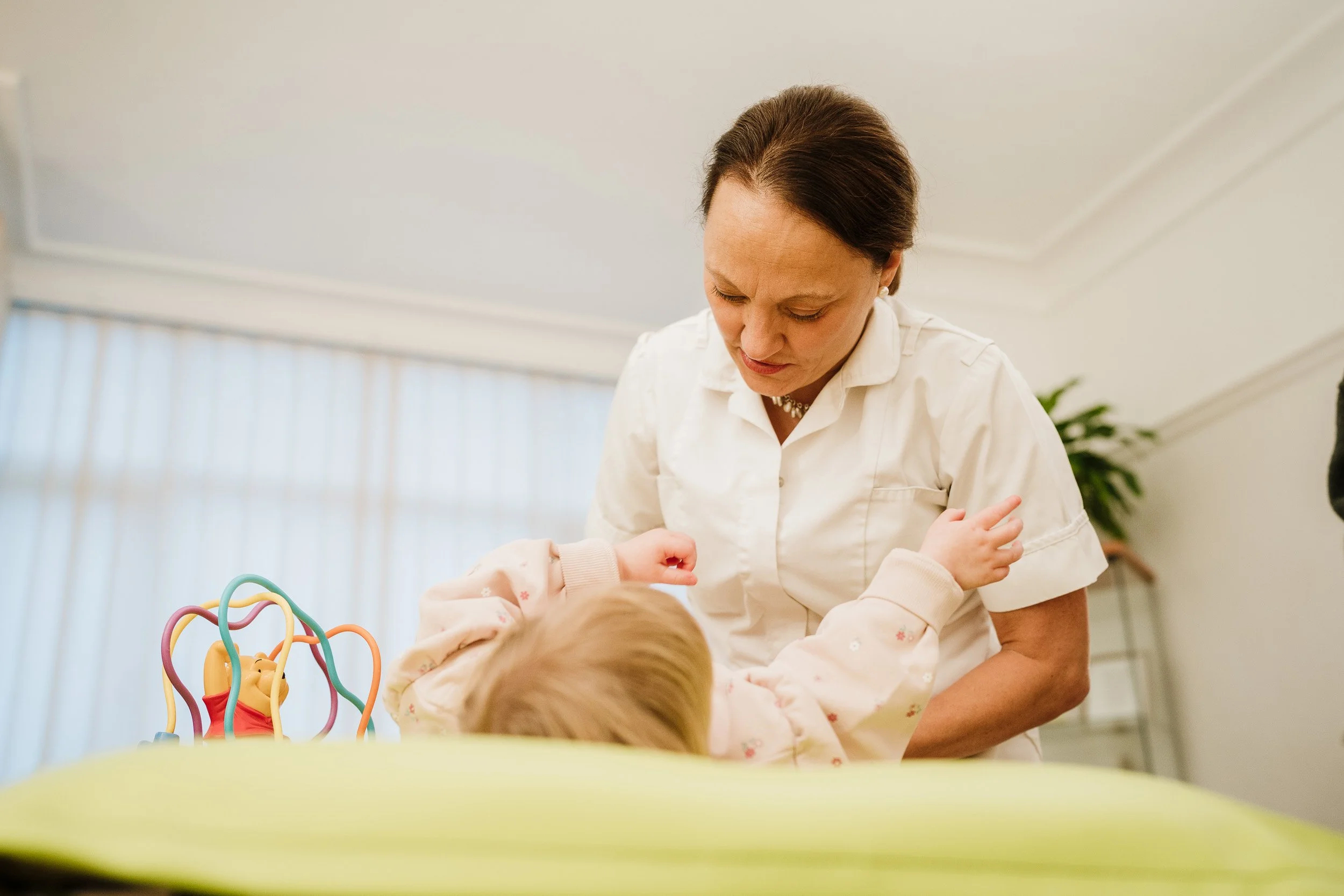
Osteopaths use gentle techniques to help ease tensions, stresses and strains. After an initial assessment, treatment can often take place whilst your baby feeds or cuddles on your lap. Babies can grumble or cry a little as they feel the effects of treatment.
-
Most babies, and their parents notice a difference quickly. Sleep and feeding is more comfortable and settled, head shape is softer. Issues arising from a more complicated or prolonged delivery may take few more sessions to feel the benefit.
Some parents may notice unsettled behaviour as their baby reaches milestones and their bodies change and adapt. Planned follow up sessions can often be a good idea. -
Each infant will react differently. Your baby will often be sleepy and tired after treatment.
Some babies may be hungry or a little agitated but this will settle. We suggest to expect some grumpiness or fussiness in their routines for a couple of days as their bodies adjust to changes.
-
We see babies from within a week of birth, to toddlers, and beyond!
-
Yes! We work with babies as they achieve all their milestones and beyond.All children experience bumps and bruises as they play and grow. Teenagers with sporting injuries or as they negotiate puberty.
Osteopathy for Women’s Health
-
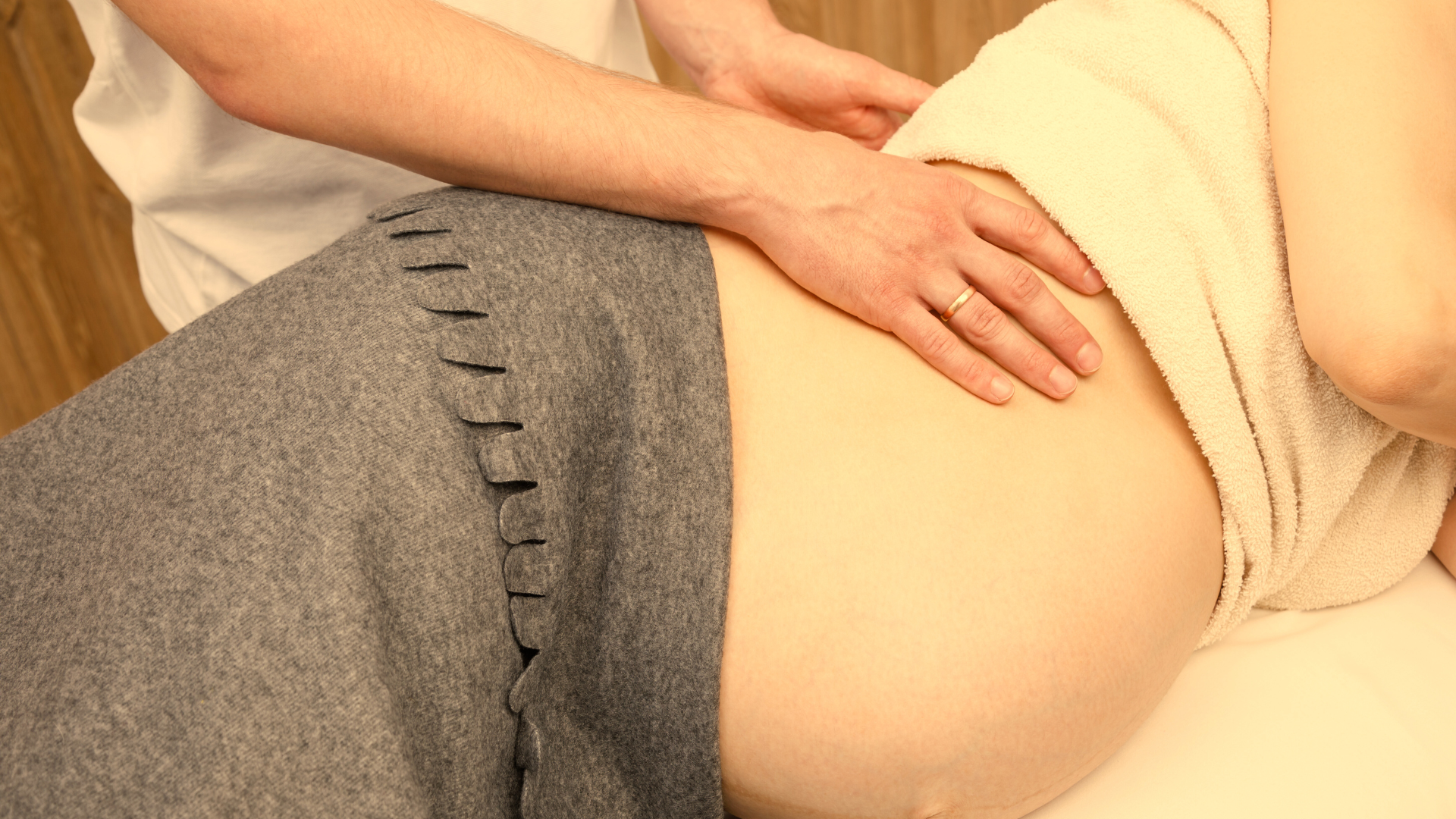
Osteopathy can support women through pregnancy, postnatal recovery, menstrual discomfort, pelvic floor health, menopause symptoms, and stress-related tension. Our osteopaths use gentle, hands-on techniques to help your body adapt to physical and hormonal changes, improving comfort, movement, and overall wellbeing.
-
Yes. Our osteopaths are trained in pregnancy-safe techniques that adapt to your changing body throughout all three trimesters. Treatment can help with common pregnancy discomfort including lower back pain, pelvic discomfort, hip tension, and postural strain as your body adjusts to carrying your baby.
-
You can have treatment whenever you feel ready - some women come within weeks of birth, others months later. Postnatal osteopathy can help with ongoing tension from pregnancy, discomfort from feeding positions, strain from lifting, and the physical demands of disrupted sleep and early motherhood.
-
Osteopathy can support pelvic comfort and ease tension in the lower back and hips that may fluctuate during your menstrual cycle. By encouraging better movement and balance throughout your pelvis and spine, treatment aims to reduce discomfort and support you throughout the month.
-
Hormonal transitions during perimenopause and menopause can affect stiffness, mobility, joint comfort, and sleep quality. Osteopathy provides hands-on support to ease physical tension, improve movement, and help your body adapt to these changes. Treatment works alongside other approaches to menopause care.
-
This depends on your individual needs and what you're seeking support for. Some women come for a few sessions during pregnancy, others prefer regular support through a particular life stage. Your osteopath will discuss a treatment plan with you based on your symptoms and goals.
After your osteopathy treatment
-
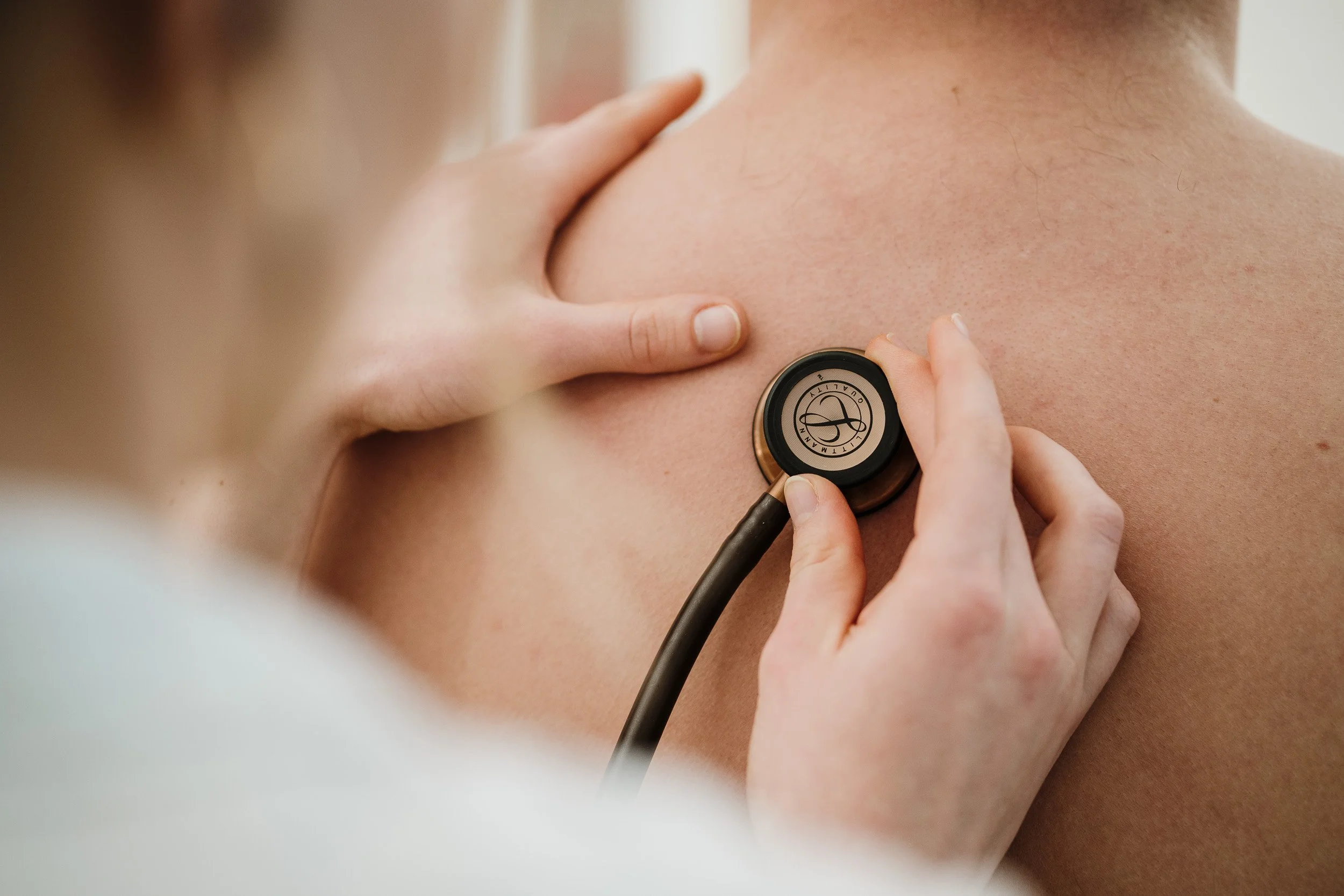
Some people experience mild soreness and/or tiredness for 24-48 hours after treatment, similar to post-exercise tenderness. This is a normal response as your body adjusts to the changes made during treatment. We'll provide specific aftercare advice and exercises tailored to your condition.
-
Every person’s needs are different. After your initial assessment and treatment, we'll discuss your individual case and develop a treatment plan tailored to your specific condition and circumstances.
Podiatry & Chiropody
-
At Yew Tree Clinic, we can treat many common foot complaints, including:
Corns
Callus
Dry, cracked heels
Verruca
Athlete's foot
Fungal nails
Ingrowing nails
Biomechanical problems
Musculoskeletal problems
Painful feet/heels
Diabetic foot care
Routine foot care
Fingernail care
Heel pain
Skin conditions
....and many more!
We are also trained to pick up on vascular and venous problems, neurological and dermatological disorders, such as heart conditions and skin cancers.
-
At your initial consultation, we will go through your medical history with you, including any medications you are currently taking, and will then perform a neurovascular assessment to assess your current foot health, and your pulses will be checked. We will then discuss any problems that you would like us to treat, and the different options available, followed by the treatment.
-
Your initial consultation will take approximately an hour, but please allow up to 90 minutes. Subsequent appointments will take approximately 30 minutes, but may take longer depending on the treatment required.
-
Of course! The same as any good medical professionals, all our instruments are thoroughly scrubbed and cleaned, and then sterilised using an autoclave, which also seals the sterile instruments into pouches. A clean, sealed set of instruments is used for every patient, and opened in front of them.
-
Frequency of treatment depends on the problem, but for routine foot care it is usually advised that you're seen every 6 - 8 weeks.
-
Yes, if you would like us to cut and file your finger nails, this is available for a small extra charge. Podiatrists are also insured to treat a variety of conditions affecting the hands.
-
If you are unable to keep your appointment, please let us know as soon as possible so that we can make your appointment available to another patient. A minimum of 48 hours notice is required. If less than 48 hours notice is given, then your appointment may be charged in full.
-
A neurovascular assessment is a diagnostic test used to assess sense of touch and blood flow of the foot. It consists of some questions relating to your health, listening to pulses using a doppler, and a painless sensation test using a monofilament.
-
In the UK, there are several professionals specialising in diagnosing, treating, and preventing foot conditions. However, the terms "podiatrist," "chiropodist," and "foot health practitioner" are often used interchangeably, leading to confusion among patients.
Podiatrists/Chiropodists: Podiatrists and Chiropodists are one and the same, but Podiatrist is the modern term. The name was changed from Chiropodist to fall in line with terminology in the majority of the world, and to avoid confusing Chiropodists with Chiropractors. Both are highly trained Allied Health Professionals, specialising in diagnosing, treating, and preventing foot disorders. They undergo extensive education and training, typically completing a 3 or 4 year BSc Podiatry degree, and will be registered with the Health and Care Professions Council (HCPC). Podiatrists are skilled in treating a wide range of foot and ankle conditions, including corns, calluses, ingrown toenails, plantar fasciitis, and diabetic foot care.
In addition to clinical practice, podiatrists may also perform minor surgical procedures, supply medication, and provide custom orthotics to address biomechanical issues. They work closely with patients to develop tailored treatment plans, focusing on both conservative and surgical approaches when necessary.
Foot Health Practitioners: Foot health practitioners (FHPs) are unregulated foot care professionals who provide basic foot care services. While their limited scope of practice may overlap with that of podiatrists and chiropodists, FHPs do not hold advanced degrees or qualifications. Instead, they receive basic training focused on foot care techniques, such as nail trimming, callus removal, and basic foot assessments. FHPs are unable to register with the HCPC.
FHPs play an important role in promoting foot health and preventing minor foot problems from escalating. They often work in collaboration with podiatrists or chiropodists, referring patients for specialised care when necessary.
Podiatrists, chiropodists, and foot health practitioners all play vital roles in promoting foot health and treating foot conditions in the UK. While there are similarities in the services they provide, there are also differences in their training, qualifications, and scope of practice.
Practical information
-
We keep appointments available for acute cases and will always try to see urgent cases quickly. Let our reception team know if you're in severe pain when you call. We understand that pain can be frightening, and we'll do our best to see you as soon as possible.
-
While we prefer treating you at our fully-equipped Westbury-on-Trym clinic, we offer home visits in the Bristol area for acute cases where mobility is severely limited. Please discuss your needs with our reception team who can advise on availability and additional costs.
-
We work with most major health insurers. Payment is required at the time of treatment, and we'll provide you with a formal receipt via email for you to claim back from your insurance provider. Please check your policy details before treatment to understand:
Whether you need a GP referral
How many sessions are covered
Whether you need to pay an excess
If you need pre-authorisation
Location & Booking
Finding Us
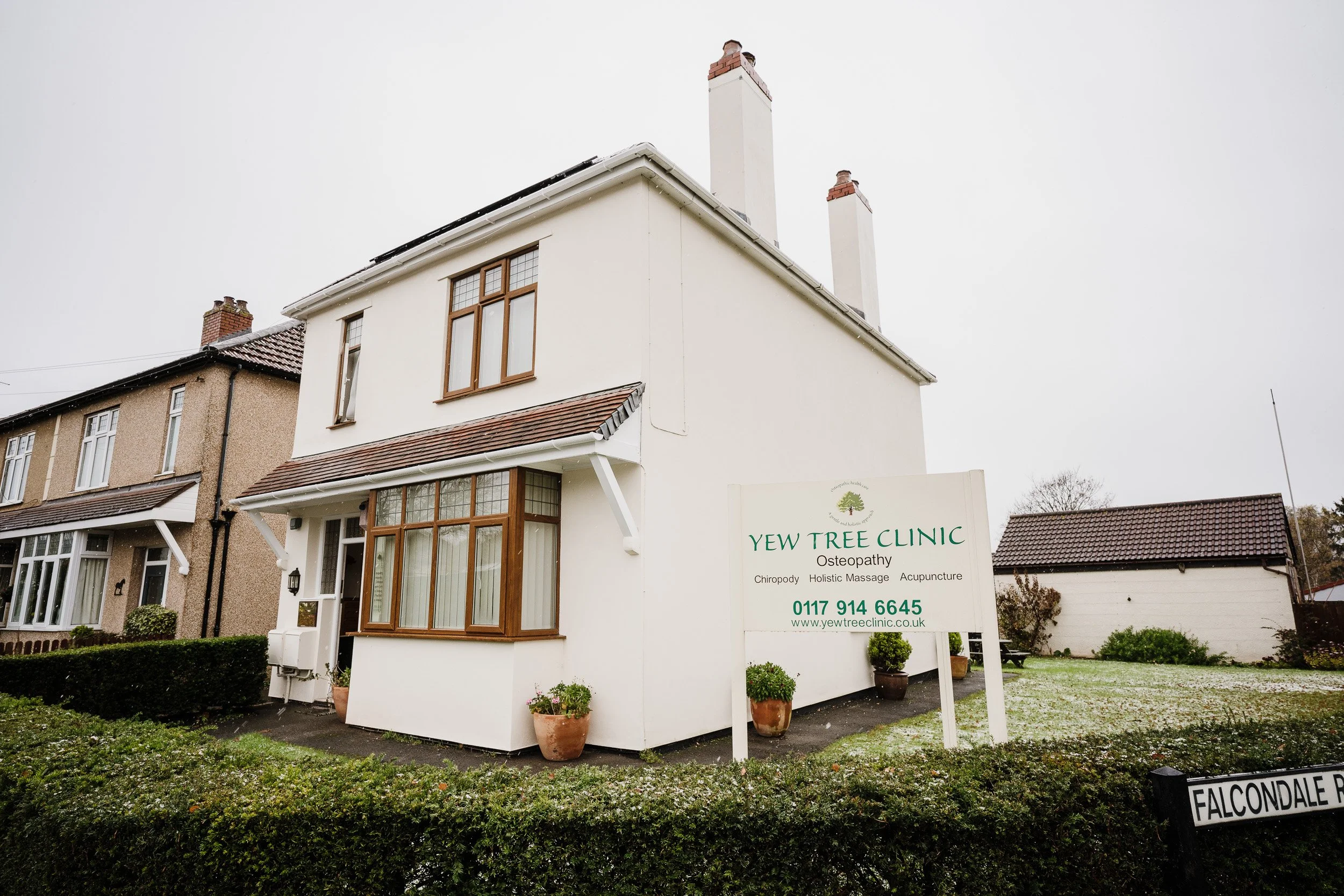
Our Westbury-on-Trym clinic is conveniently located at 56 Stoke Lane, Bristol BS9 3SW.
We offer:
Ground-floor treatment rooms
Easy access from central Bristol
Evening appointments for convenience
Wheelchair accessibility
Street parking
Public Transport
We're well-served by several bus routes from central Bristol and surrounding areas. Our reception team can advise on the best route from your location.
Book an Appointment
Available Hours
Reception Hours: 9:00 - 17:00 Monday-Friday
Treatment Hours: 8:45 - 18:00 Monday-Friday
Late appointments: Monday until 19:00 with Joad and Lobke
Or call office on 0117 914 6645